




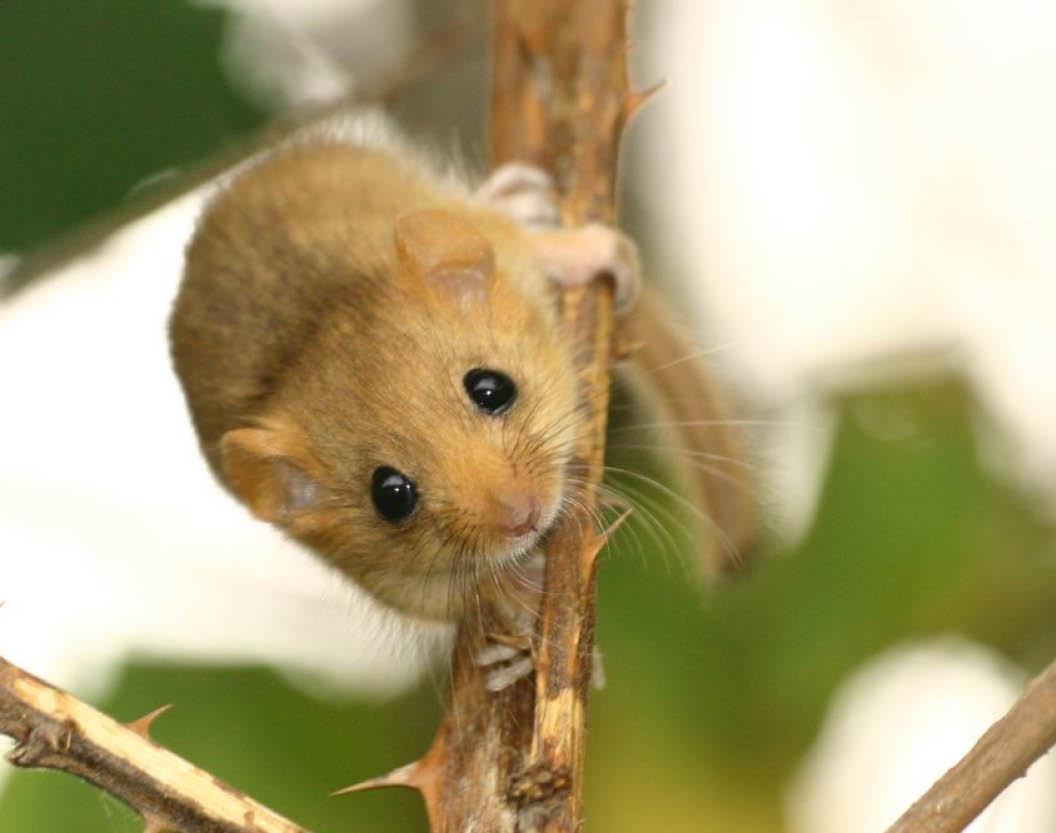
The hazel dormouse (Muscardinus avellanarius) is a small, nocturnal mammal native to Europe, including the United Kingdom. Recognised for its golden fur and bushy tail, this species is often associated with deciduous woodlands, hedgerows, and scrub areas. In the UK, the hazel dormouse is protected under the Wildlife and Countryside Act 1981.
Despite this protection, their numbers have continued to decline, prompting conservationists to seek effective monitoring and survey methods to better understand and protect this species. One of the most effective methods for monitoring hazel dormice is the use of footprint tunnels. These non-invasive devices allow researchers to detect the presence of dormice without disturbing their natural behaviour.
What Are Footprint Tracking Tunnels?
The footprint tunnels are typically constructed using 400mm lengths of 65mm square black downpipe. A 500mm length of 9mm plywood serves as the tracking plate, with landing platforms at each end. A strip of thick white card (250gsm/350mic) is centrally attached to the plywood insert using double-sided sticky tape. Masking tape is placed at each end of the card, upon which the tracking medium is applied.
The tracking medium consists of a mixture of ultra-fine pharmaceutical-grade activated charcoal powder and olive oil, applied to the masking tape with a paintbrush. The tunnels are secured horizontally beneath branches and bramble stems in dense shrub habitats using black cable ties. No bait is used to reduce activity by non-target species - dormice are arboreal, meaning they live in trees, so will naturally travel through the tunnels as they move and forage.
Survey Methodology
- Frequency: Check and re-ink the tunnels every two weeks. This schedule accounts for the drying of the ink and potential damage from snails or mice.
- Duration: The survey duration depends on the number of tunnels deployed. Surveying 50 tunnels for three consecutive months between May and October provides a 95% chance of detecting dormice, even at low densities.
- Weather Considerations: Avoid surveying during heavy rain, as wet conditions can affect the quality of the tracking medium and the ability to detect footprints.
Further information is available in the study by Bullion, S., Looser, A. and Langton, S., 2018. An evaluation of the effectiveness of footprint tracking tunnels for detecting hazel dormice. Bulletin of the Chartered Institute of Ecology and Environmental Management, 101, pp.36-41
Identifying Footprints

Differentiating between hazel dormouse footprints and those of other small mammals is essential for using tracking tunnels. You will definitely attract other mammals, like wood mice and yellow-necked mice, but thankfully hazel dormouse footprints are very distinctive and unique.
- Dormouse footprints are small, about 1cm wide, with a rounded shape.
- Hazel dormice have distinctive triangular pads on the 'palms' of their feet.
- Other mice lack the triangular pads, and have well separated pads.
Advantages of Footprint Tunnel Surveys
- Non-Invasive - This method doesn't require handling or disturbing the animals, reducing stress and potential harm.
- Higher Detection Rates - Footprint tunnels have been shown to have higher detection rates compared to nest tubes and boxes in hedge and scrub habitats, and faster results
- Cost-Effective - The materials are relatively inexpensive, making it a cost-effective method for monitoring dormice.
The People's Trust for Endangered Species (PTES) have developed the National Dormouse Monitoring Programme (NDMP), which utilises footprint tracking tunnels as part of its survey methods. This program offers opportunities for both experienced ecologists and novices to contribute to dormouse conservation efforts. Participating in such programs not only aids in gathering valuable data but also raises awareness about the importance of preserving dormice and their habitats.
At Wildcare, we offer kits which include everything you need for long-term surveys, as well as refills of paper, ink and any replacements you may require.
We are proud to donate 10p to PTES for every dormouse footprint tracking tunnel sold, supporting ongoing conservation of this enigmatic species.