




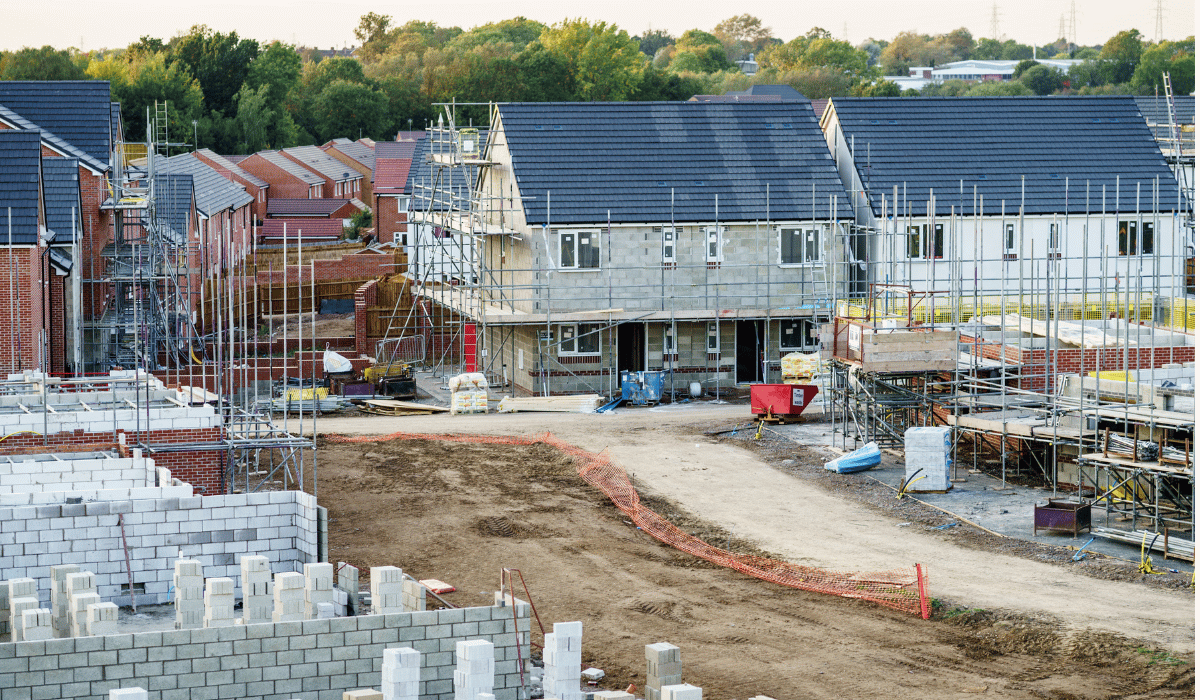
Installing bat boxes for new build projects and developments is now a standard part of meeting biodiversity requirements. In most cases, it is not optional. Local Planning Authorities (LPAs) and ecologists will often expect bat features to be included to support protected species and contribute to wider biodiversity targets.
Best bat boxes for new build projects and developments
For most large housing developments, the best bat boxes are usually built-in bat boxes. These are designed to sit within the fabric of the building, making them discreet, long-lasting and suitable for modern construction.
External bat boxes still have their place, particularly where built-in options are not possible, but they are usually better suited to trees, retained buildings, garages, outbuildings or specific mitigation areas.
1. Vivara Pro Verona Built-in Bat Box
The Vivara Verona is a strong choice for new build schemes where a neat, integrated finish is needed. It is designed to be built into the wall, helping provide a permanent roosting opportunity without adding visible clutter to the finished building.
Best for: housebuilding projects, estate-wide biodiversity enhancements and developments where appearance matters.
Verona Built-in Bat Box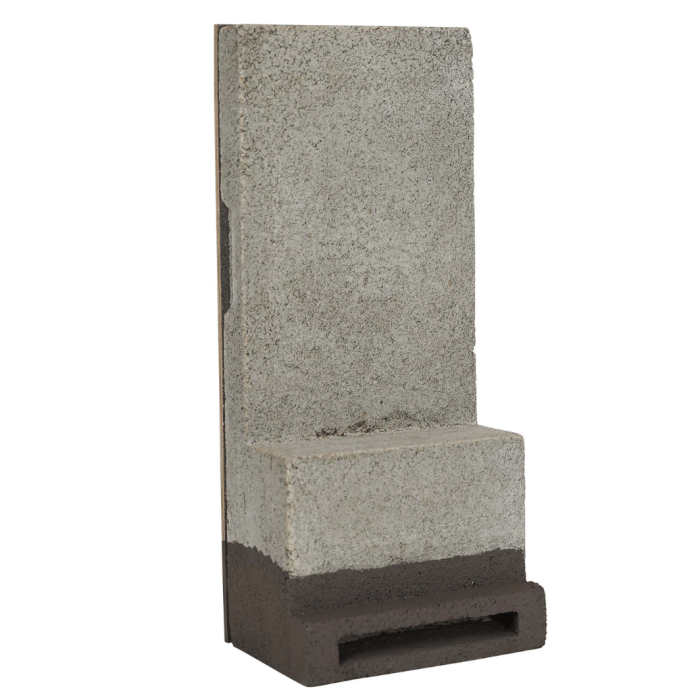
3. Ibstock Enclosed Bat Box C (Smooth Clay Faced)
This enclosed clay-faced bat box is a popular option for developments that need a robust, built-in solution. It can be incorporated into brickwork for seamless integration into new build and renovation projects.
Best for: brick-built homes, repeat installation across multiple plots and schemes needing low-maintenance bat provision.
Ibstock Bat Box C
4. Green&Blue BatBlock
Manufactured to standard UK block size, allowing it to be built directly into masonry in place of a conventional brick or block.
Green&Blue BatBlock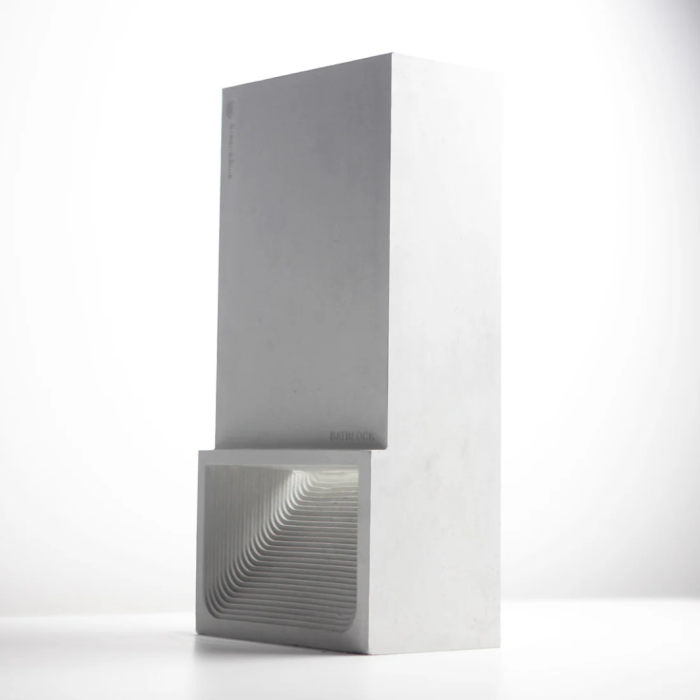
5. Ibstock Bat Box B (Brick Slip Front)
The brick slip front helps this bat box blend into the finished elevation. This can be especially useful on higher-value plots, street-facing elevations or developments where visual consistency is important.
Best for: developments where the final appearance of the brickwork is a priority.
Ibstock Bat Box B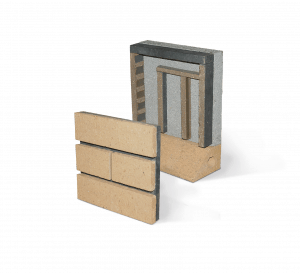
5. Integrated Eco Crevice Bat Box
Crevice-style bat boxes are often recommended for species such as pipistrelles, which commonly use narrow roosting spaces. This makes the Integrated Eco Bat Box Crevice a useful option where the ecological specification calls for crevice roosting provision.
Eco Crevice Bat Box
6. Habibat Built-in Bat Box 001
The Habibat Bat Box can be custom-faced with a number of products to suit the design build. This includes, brick, block, stone, wood or a rendered finish, ensuring the box is unobtrusive and aesthetically pleasing.
Habibat Bat Box 001
7. Schwegler 1WI Summer and Winter Bat Box
This is a higher-specification option designed to support bats across different seasons. It is particularly useful where a development needs a more varied bat box strategy rather than only standard integrated units. It's is a great example of just how easy it is to assist bats in urban areas.
Schwegler 1WI Bat Box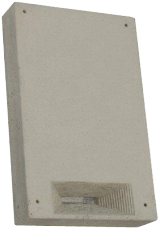
Bat access products for roofs and internal roost spaces
Bat access products are different from self-contained bat boxes. They are used to create safe access into a suitable void or purpose-designed internal roosting space. These are most useful where the ecological design includes roof void access or a dedicated roost area.
8. Bat Access Brick
A bat access brick is not the same as a self-contained bat box. Instead, it provides an access point into a suitable internal roosting space. These are typically used where the ecological design includes access into a roof void or dedicated roost area.
Best for: creating access into roof voids or purpose-designed internal roost spaces.
Bat Access Brick
9. Tudor Roof Tiles Bat Access Sets
These roof tile access sets allow bats to enter suitable roof spaces while keeping the finished roofline neat. They are useful where the ecological design focuses on roof-level access rather than wall-integrated bat boxes.
Best for: roof void access and discreet roof-integrated bat provision.
Tudor Roof Tiles Bat Access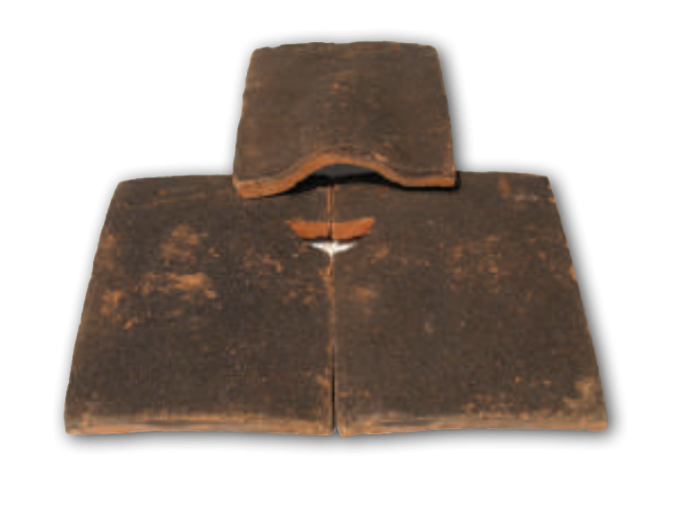
10. Build-in WoodStone Bat Access
An affordable build-in bat box that provides access to the cavity wall.
Build-in WoodStone Bat Access
11. Soffit Bat Box
A soffit bat box is useful where wall-mounted or brick-integrated options are not suitable. It can be incorporated into the roofline, making it a practical option for developments where the ecologist has recommended bat provision at eaves level.
Best for: roofline integration, timber frame builds and plots where wall space is limited.
Soffit Bat Box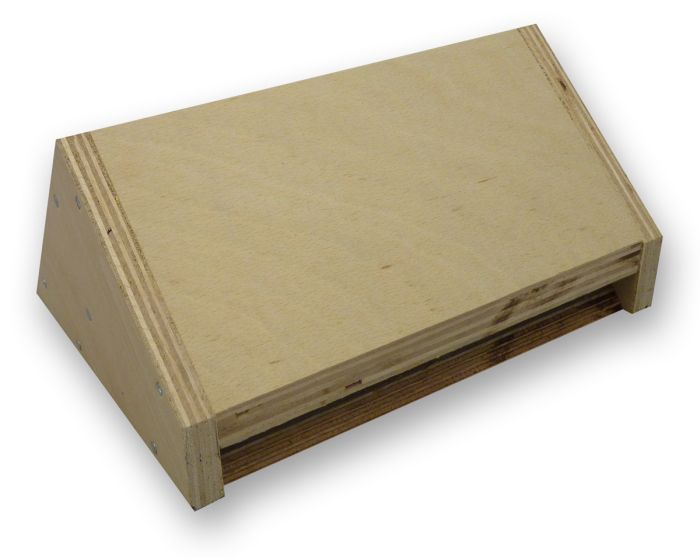
External wall-mounted bat box options
External wall-mounted bat boxes are useful where a building has already been completed, where a built-in product cannot be installed, or where the ecological design calls for extra roosting opportunities on retained buildings, garages, mature trees or suitable boundary structures.
12. Schwegler Wall Mounted Bat Shelter 2FE
Comes in a pack of 2, so is ideal to be used as a summer hideaway and as a winter roost when when sited in different locations.
Schwegler 2FE Bat Shelter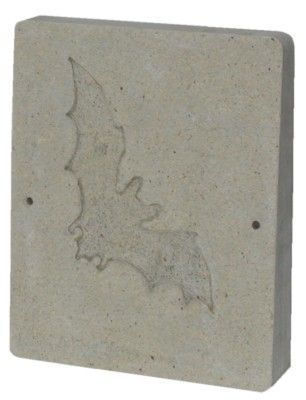
13. Schwegler 2F Bat Box
Schwegler 2F Bat Box is a general-purpose bat roost designed for use by a wide range of woodland and building-dwelling species. It can be useful on retained trees, outbuildings, garages or suitable completed walls where integrated products are not possible.
Schwegler 2F Bat Box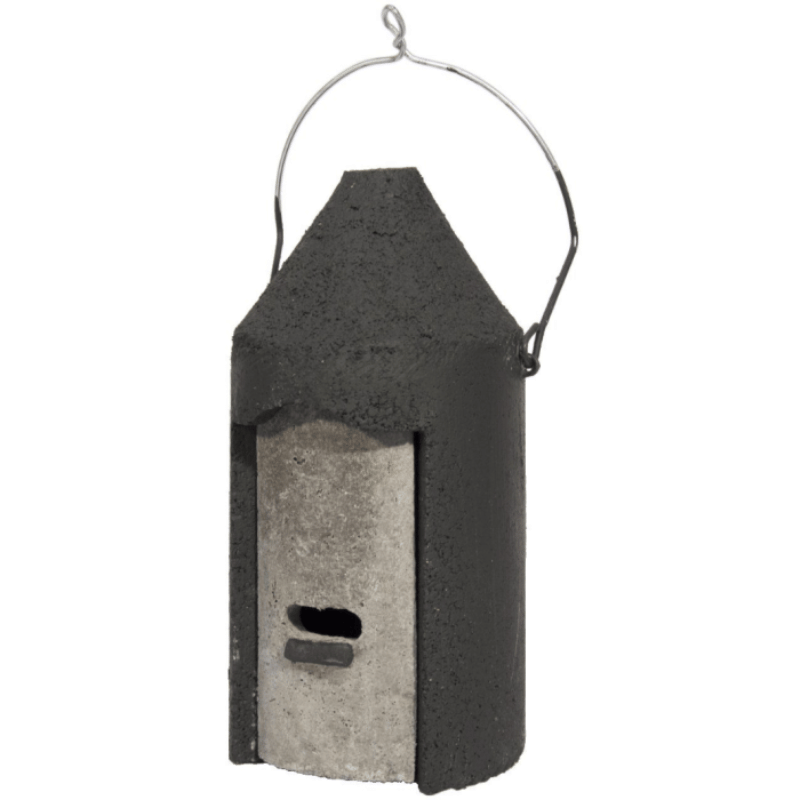
14. Schwegler 1FF Flat Bat Box
Bat Box 65 is another external bat box option for projects where additional surface-mounted features are required. It is suited to schemes that need extra roosting opportunities beyond the built-in units specified for the main dwellings.
Schwegler 1FF Flat Bat Box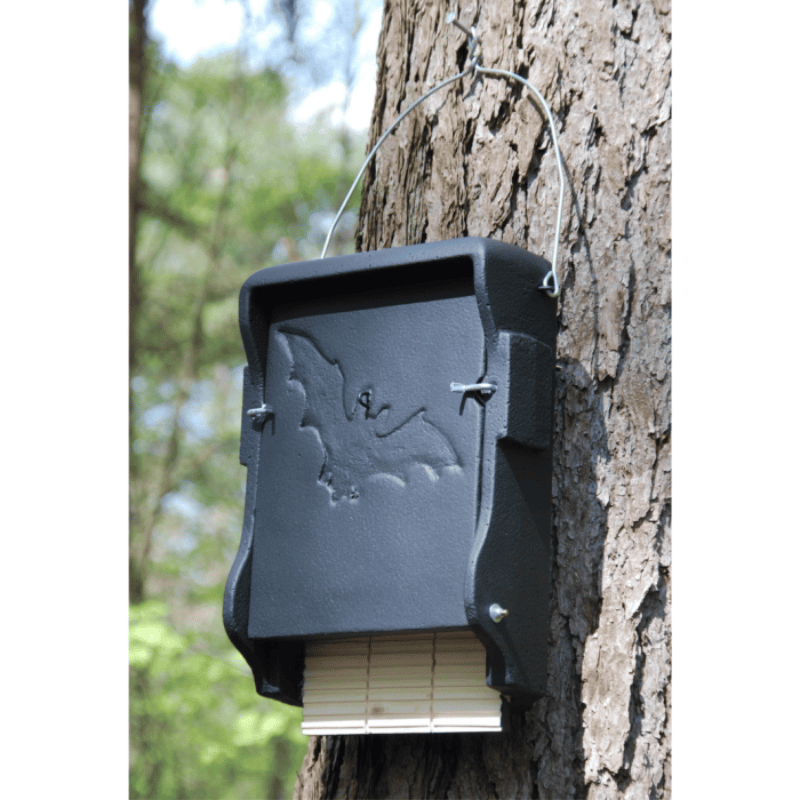
15. Schwegler 3FS Colony Bat Box
The Schwegler 3FS Colony Bat Box is designed for larger roosting opportunities than a standard small bat box. It can be a useful option where an ecologist has recommended a more substantial external feature as part of the mitigation or enhancement strategy.
Best for: schemes requiring larger external roosting capacity or colony-style provision.
Schwegler 3FS Colony Bat Box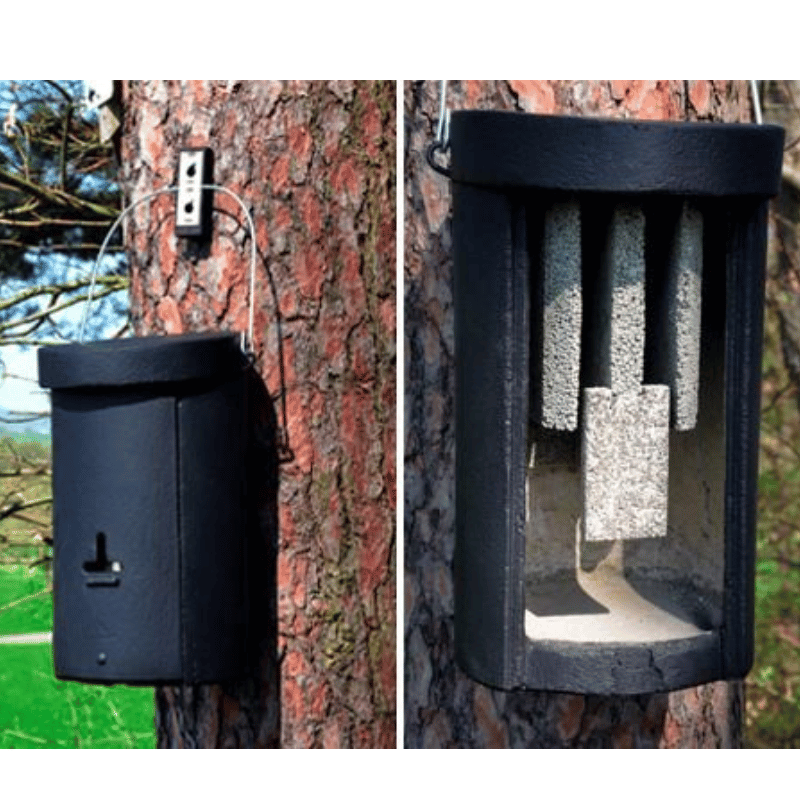
16. Vivara Pro Chillon WoodStone Bat Box
Designed to replicate natural crevices found in buildings and trees. It works well as part of a wider bat box strategy across retained structures or landscaped areas.
Best for: accommodating small bat colonies (approx. 15 pipistrelles)
Vivara Pro Chillon WoodStone Bat Box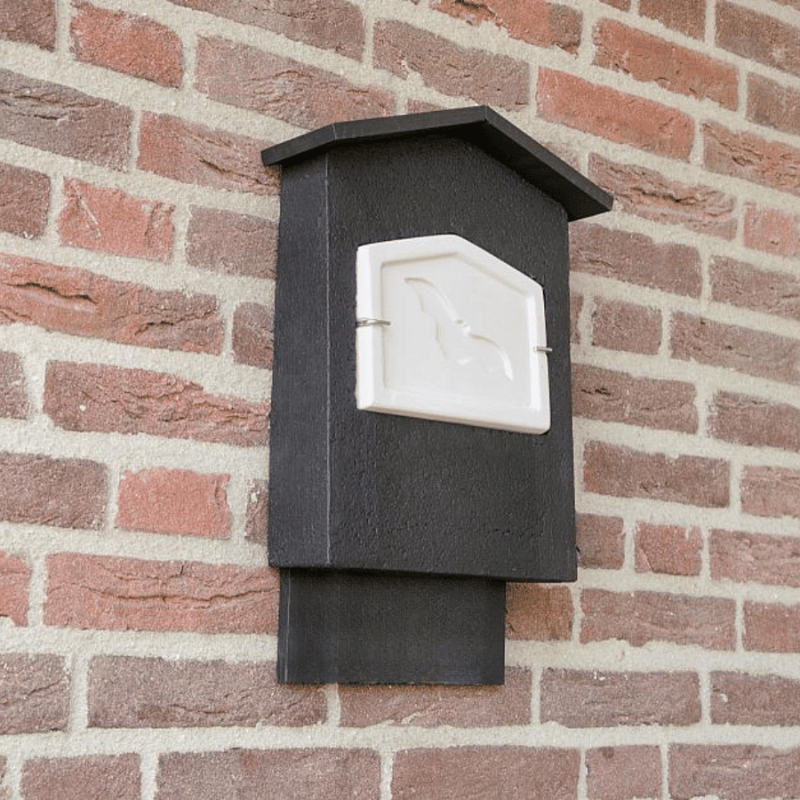
17. Harlech WoodStone Bat Box
The Harlech WoodStone Bat Box can be placed on both a tree or a façade. Ideally, two to three boxes should be erected facing in different directions to account for temperature changes from day to day.
Harlech WoodStone Bat Box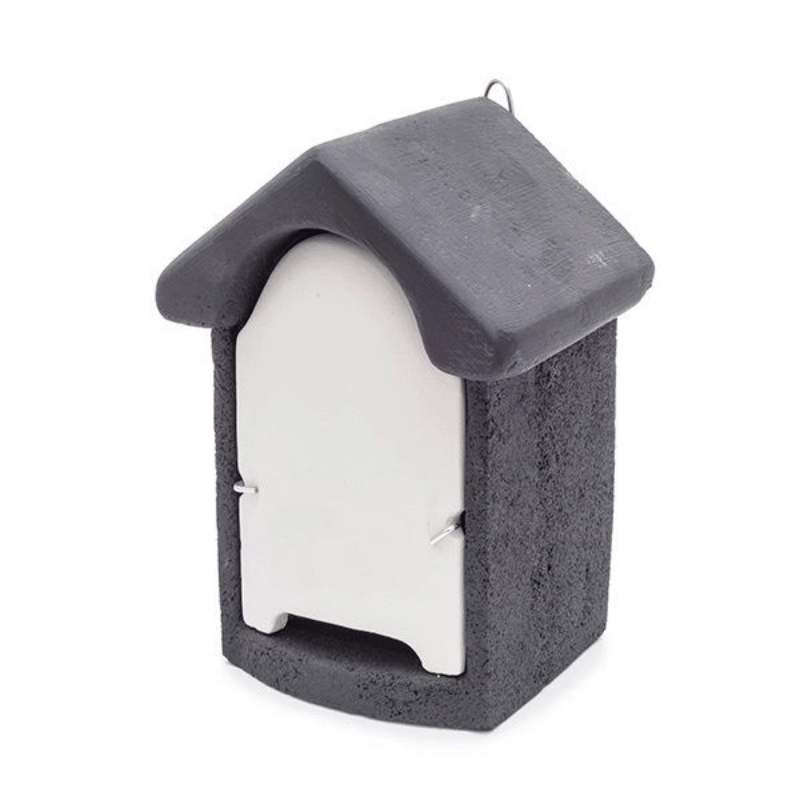
Where should bat boxes be installed on new builds?
Always follow the project ecologist’s specification first, as the correct position will depend on the site layout, species recorded and the type of bat feature being installed. However, the following Bat Conservation Trust guidance gives a useful starting point for good placement:
Bat boxes are more likely to be used when they are installed close to places where bats already feed and navigate, such as hedgerows, tree lines, woodland edges, gardens and green corridors. On new build estates, this often means choosing plots that face retained landscape features rather than placing every box on the easiest wall for the build team.
- Install bat boxes ideally at least 4 metres above ground level, where safe installation is possible.
- Place boxes as high as possible to reduce the risk of disturbance or predation.
- On buildings, position boxes close to the eaves where suitable.
- Avoid artificial light sources, including streetlights, porch lights, security lights and car park lighting.
- Choose sheltered positions away from strong prevailing winds.
- Use sunny aspects for part of the day, often south, south-east or south-west facing elevations.
- Where several boxes are being installed, use different orientations to provide a range of temperatures.
- Keep the entrance clear, with no immediate obstruction from pipes, gutters, vegetation or other building features.
It is also worth being patient. Bats may take several months, or even years, to find and start using a new box. Once they do, they may return repeatedly. Possible signs of use include droppings below the box, staining near the entrance, or chittering sounds on warm afternoons and evenings.
Important: bat boxes should not be opened to check for bats unless this is done by a licensed bat worker, as bats and their roosts are protected by law.