




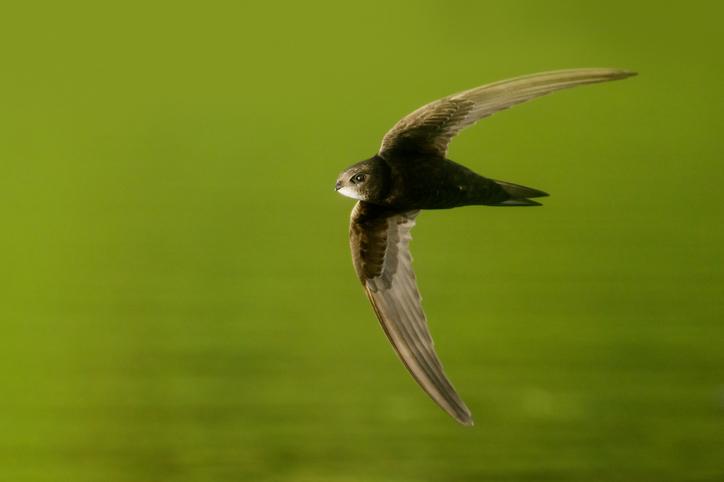
Swifts are a remarkable migratory bird species; they spend their entire lives on the wing, only landing to breed after making the long journey from Africa to the UK each summer. Unfortunately, the British Trust for Ornithology (BTO) have reported a 66% fewer individuals since 1995, partly because of lost nesting sites in older buildings due to renovations and demolitions. Swifts historically nested in the nooks and crannies of old buildings, but modern construction methods have reduced their available nesting spaces. Installing swift boxes in new constructions or renovations offers an easy, cost-effective way to support these birds, giving them a place to breed, contributing to local biodiversity and offering natural control of the flying insects they feed on.
Choosing the Right Swift Box
When selecting a swift box, it's important to ensure that it meets the needs of these high-speed aerial specialists. Swift boxes are typically long, narrow, and designed with a small entrance hole to provide protection from predators. Opt for durable materials that can withstand years of exposure to the elements.
A popular material choice is Woodcrete, or WoodStone, a robust mixture of wood fibres, concrete, and clay. Woodcrete swift boxes are extremely durable, providing excellent insulation and weather resistance, making them an ideal long-term option. Click here to read more about woodcrete.
Traditional wooden boxes, especially those made from FSC-certified exterior-grade plywood, are also a good choice if they are properly maintained. If choosing a wooden box, ensure it is weatherproofed with non-toxic, pet-safe treatments to extend its lifespan and prevent warping.
How to Install Your Swift Box
It's best to install swift boxes before the birds return from migration, ideally early Spring in March or April. For the best chance of attracting swifts, follow these key placement guidelines:
- Orientation: Position the box in a landscape orientation, with the entrance either at the bottom left or bottom right.
- On walls: Swifts prefer high sheltered locations on buildings rather than trees or fences.
- Height: Swifts prefer high nesting sites, so install the box as high as possible under the eaves or in a sheltered spot. A height of 5-7 metres is recommended.
- Direction: Try to face the box north or east to provide shelter from direct sun and prevailing winds.
- Flight Path: Ensure a clear flight path below the box, free from obstructions like trees or wires.
- Grouping: Swifts are social birds and often nest in colonies. Installing multiple boxes together can increase the chances of occupation.
After the swift box has been installed, they do not require any regular maintenance or cleaning. Swifts are tidy birds and will remove their own mess.

Encouraging Swifts to Use the Box
Swifts may take time to locate and accept new nest sites, but once they have chosen they are highly faithful and will return year after year. To improve the likelihood of attracting them:
- Install a Swift Caller: A swift call system plays recordings of swift calls to attract passing birds. Playing calls in the early morning and evening during the breeding season (May to July) can significantly boost occupancy rates. Take a look at our swift caller here.
- Be Patient: It can take a few seasons for swifts to find and use new boxes, but persistence pays off.
- Ensure Long-Term Suitability: Keep the site free from disturbances and ensure boxes remain in good condition for years to come.
- Avoid Nesting Competition: Swifts do not use traditional perches like some garden birds, so choosing a box with a smooth interior discourages unwanted species from taking over the nest.
If your swift box is unused for several years, feel free to move it and try another location that might be more suitable or easier for them to find.
By installing swift boxes in suitable locations and using caller systems, you can provide essential nesting opportunities and contribute to the conservation of these incredible birds. Every swift box installed helps in the effort to protect and sustain the swift population for future generations.