


Advice

ORDER BEFORE 2:00PMFOR NEXT DAY DELIVERY

86% at Reviews.co.uk

216 5 Star Reviews

Repair

IN-HOUSE SERVICE & REPAIR CENTRE

Advice

Friendly, Expert Advice & Solutions

Green&Blue

Green&Blue design and make beautiful, sustainable products that give nature a home. From award-winning Bee Bricks to bird and bat habitats, their range is crafted in the Cotswolds using recycled materials and a passion for simple, innovative design. Now part of Wildcare, Green&Blue continues to inspire gardeners, homeowners and builders to create spaces where wildlife can thrive.
Shop By

1 Product Found

Bee Bricks & Blocks

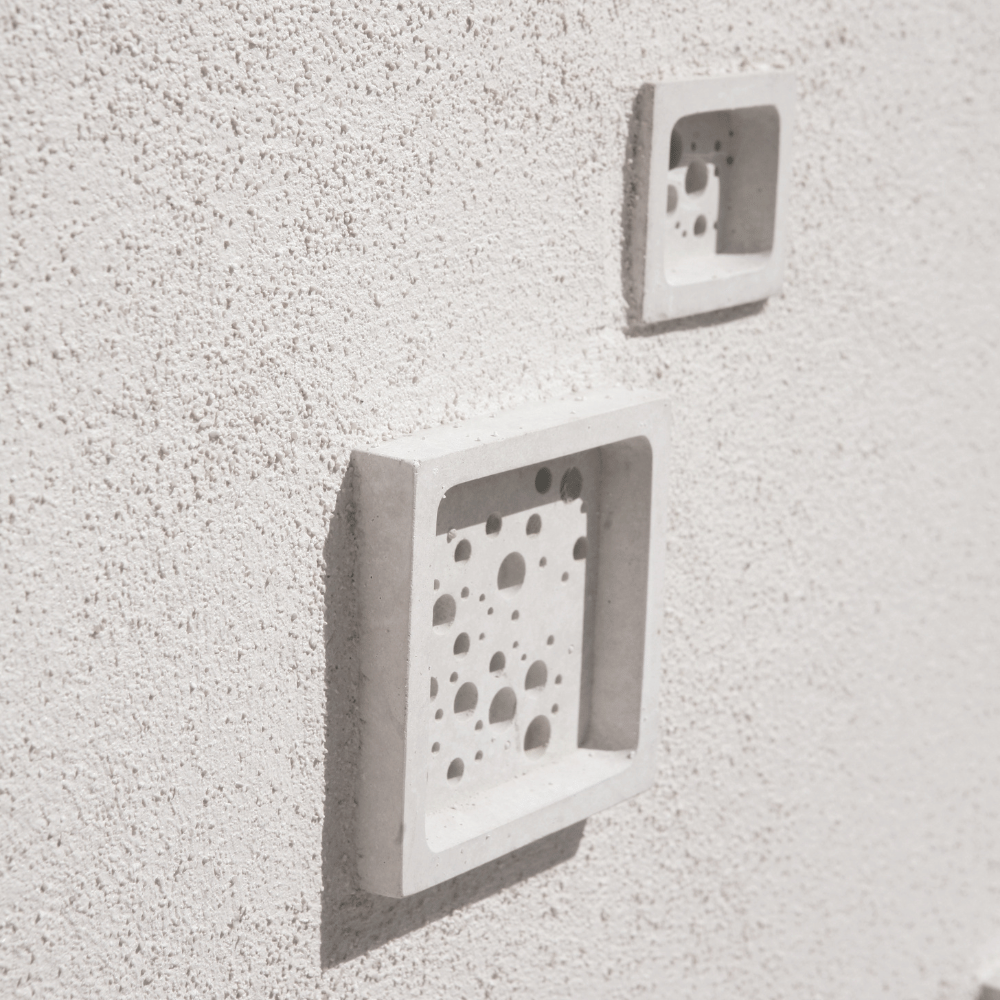
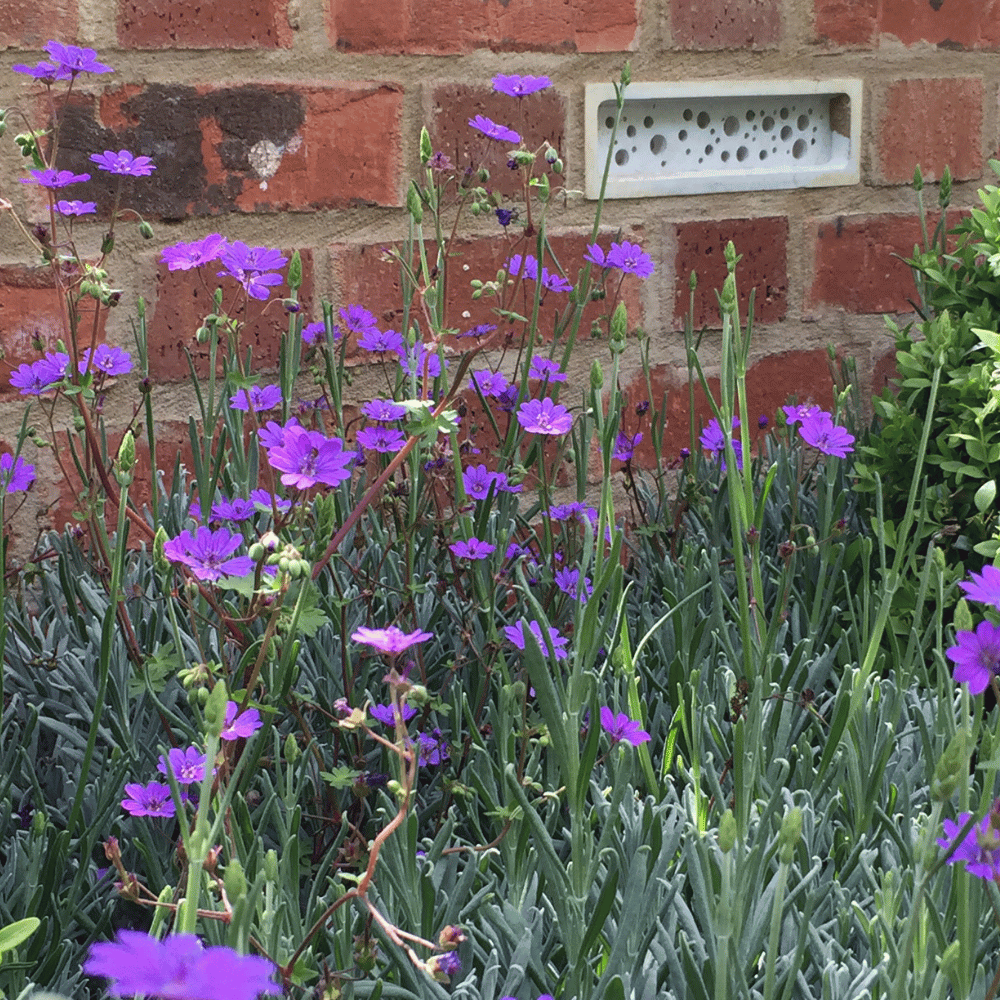
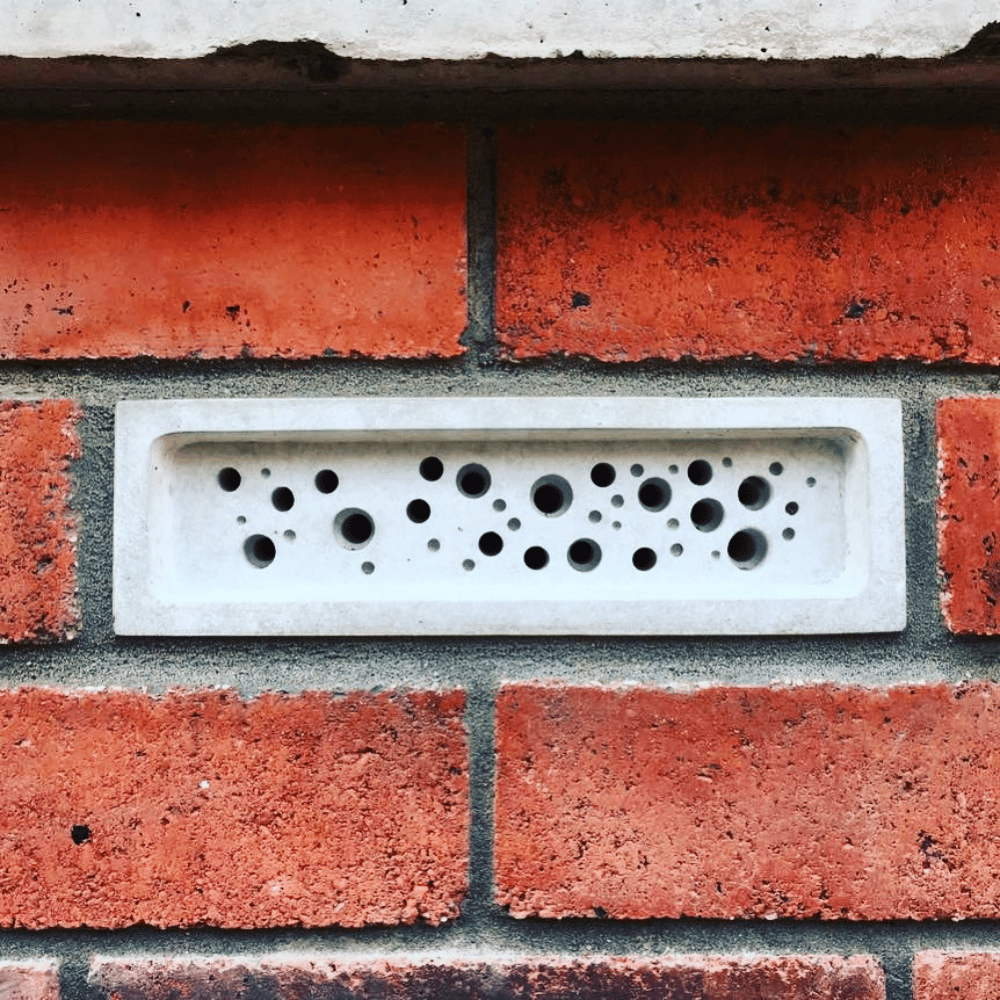
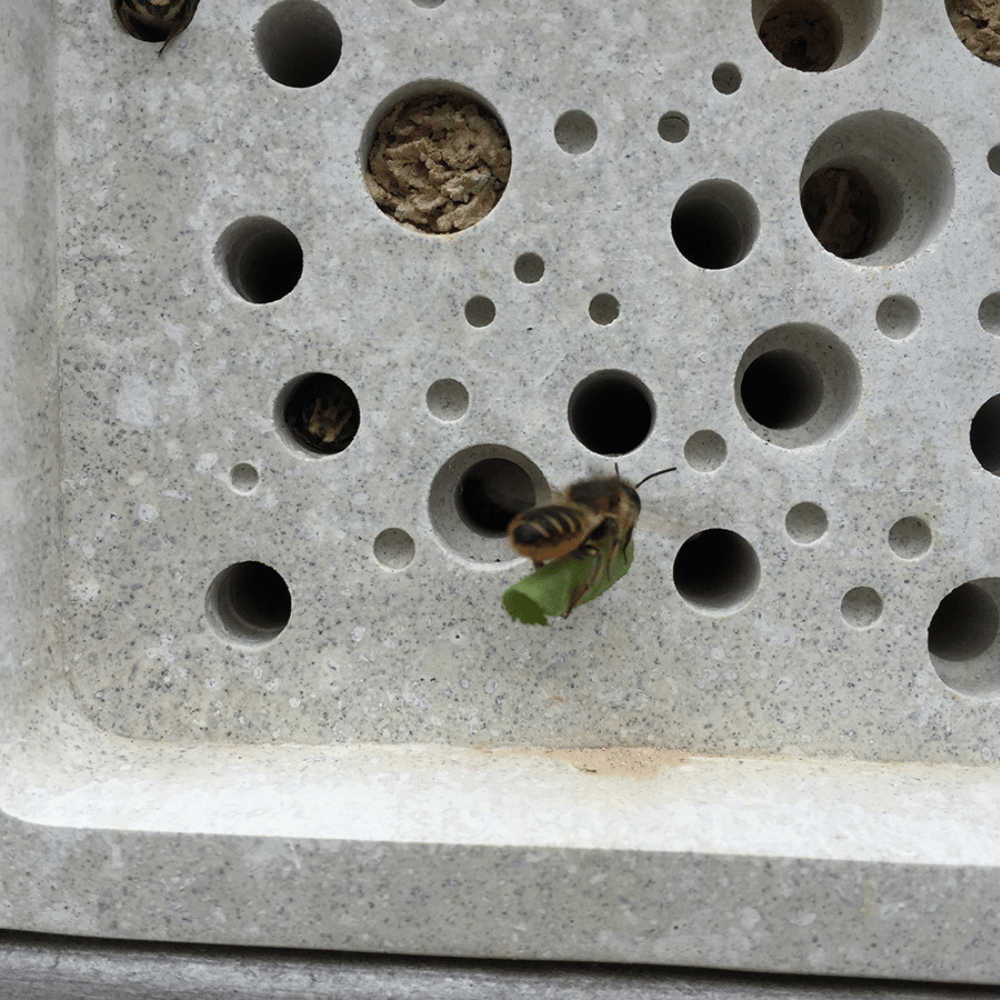
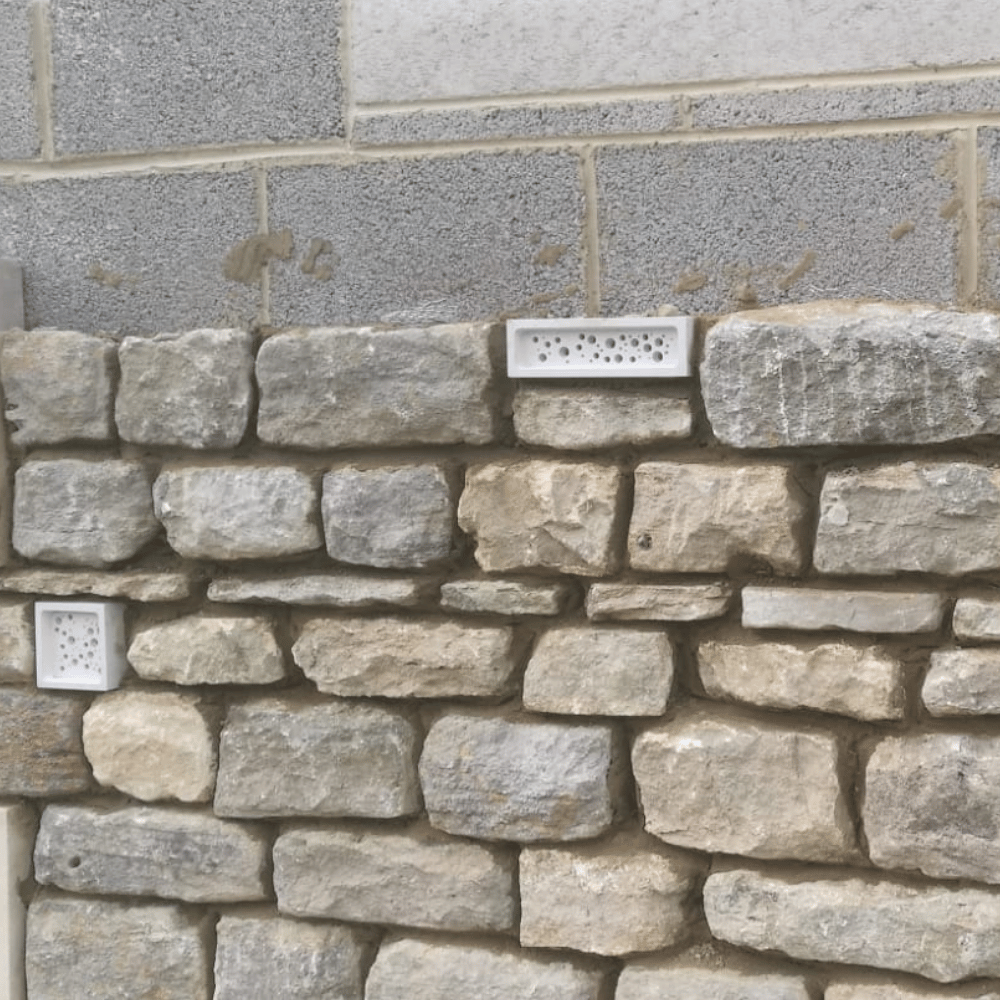
Bee Bricks are an innovative way to integrate biodiversity into new developments. Designed to be used in place of a standard brick or block, they create safe nesting sites for solitary bees such as red mason and leafcutter bees. By incorporating Bee Bricks into housing projects and garden walls, developers can provide vital habitat for pollinators, contribute towards Biodiversity Net Gain targets, and support greener, more sustainable building design.

Bee Brick Bee Brick Bee Brick Bee Brick

Positioning Bee Bricks for Best Results

Bee Bricks should always face south or south-east, in a warm sunny position where they will catch the morning sun. Solitary bees are cold-blooded and need the warmth to become active. They should be installed at least 1 metre above ground level, with no maximum height. Research with Exeter University has shown that bricks installed below a metre see very little use, whereas those placed higher – on upper storeys, extensions, or balconies – have excellent uptake.

Solitary Bees
Solitary bees are different from honeybees and wasps. They don’t swarm, they don’t produce honey, and they don’t have a queen to defend. Because of this, they are non-aggressive and rarely sting. This makes them perfectly safe to encourage in and around homes, schools, and gardens. For builders and developers, this means Bee Bricks can be confidently installed in walls close to living spaces, play areas, or gardens without risk to residents. For families, solitary bees are a real bonus as they provide a safe way for children to watch nature up close, learning how these fascinating insects help pollinate plants and support biodiversity.
Bee Brick Bee Brick Bee Brick Bee Brick