




Bat Boxes
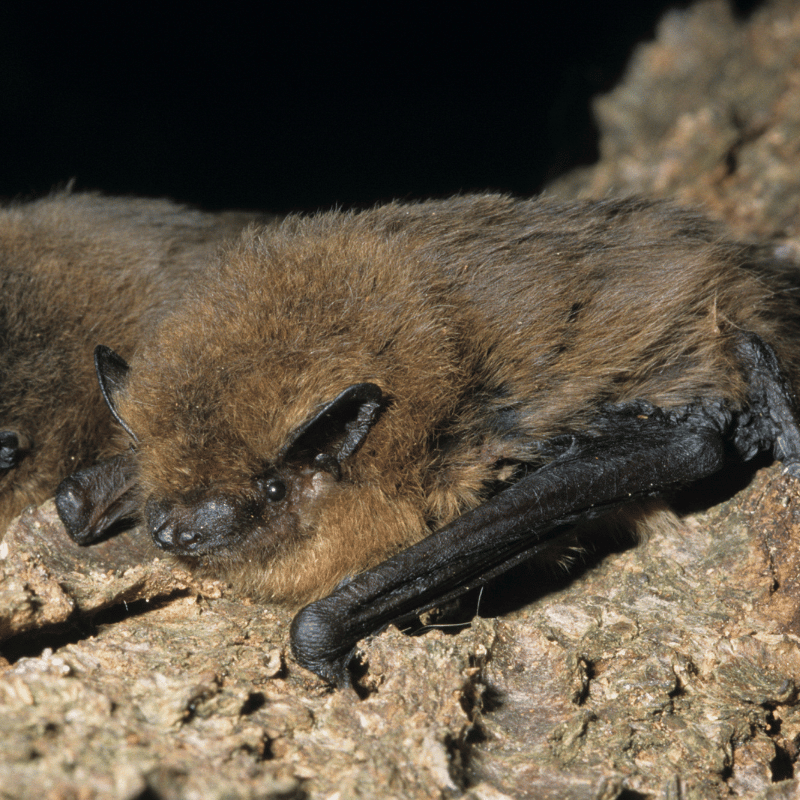
Bat boxes provide safe roosting space where natural crevices, roof voids or mature trees are limited. Pick the box type based on the stage of the build.
New wall or facade?
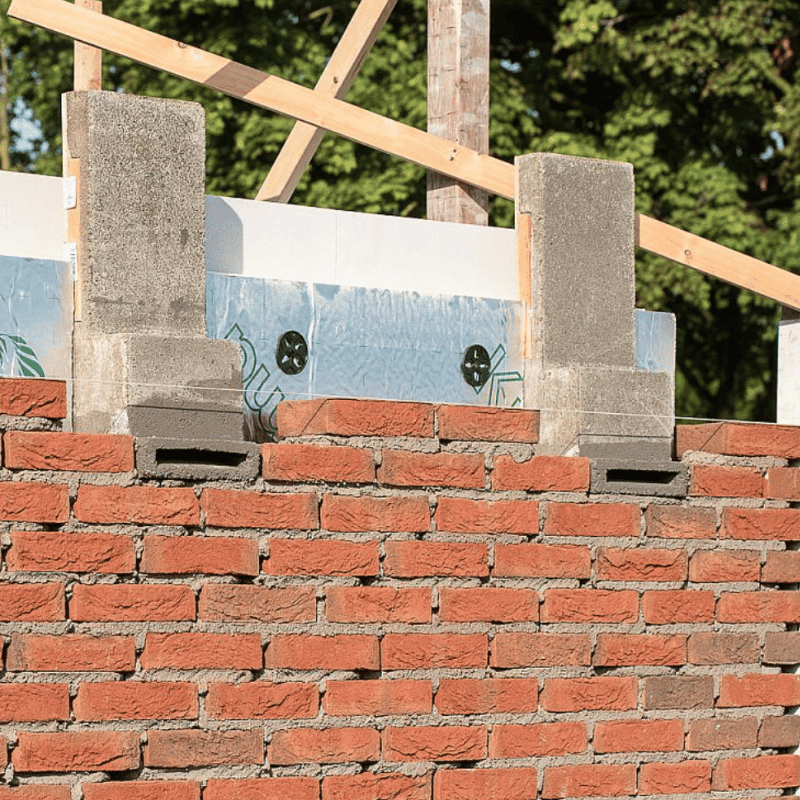
Use integrated bat boxes, bat tubes, access bricks or panels before the wall finish is complete.
Finished wall?
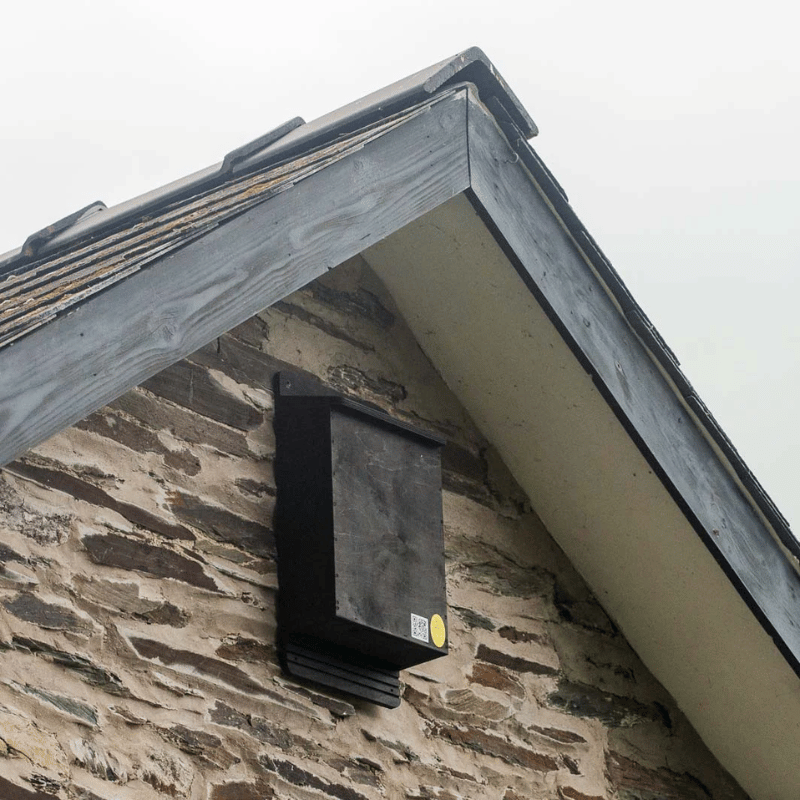
Use surface-mounted bat boxes where the building is already complete or the final location needs flexibility.
Tree or woodland edge?
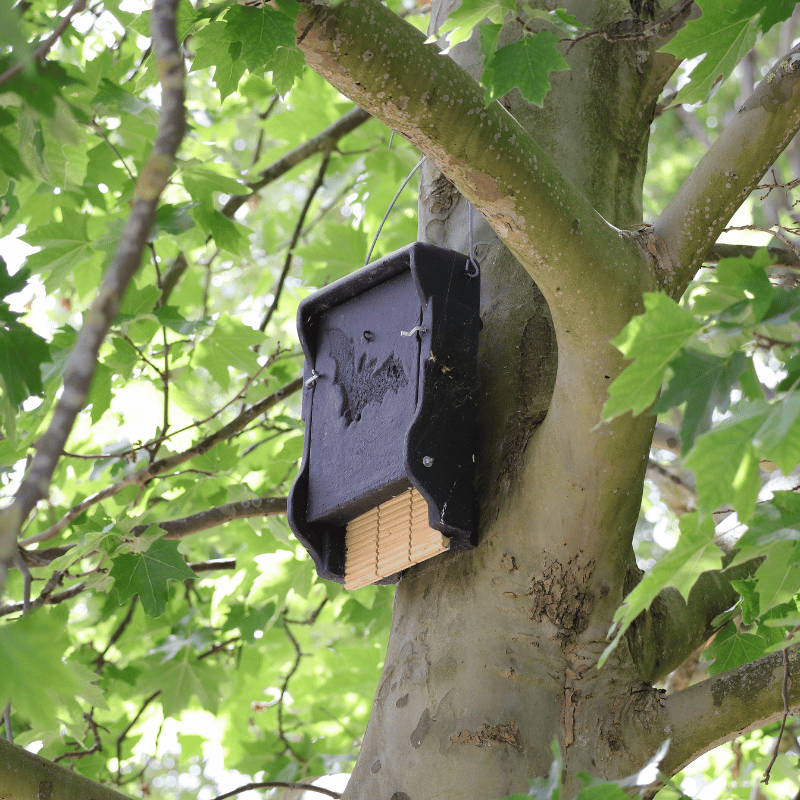
Use tree-mounted bat boxes where there are suitable mature trees and a clear flight path.
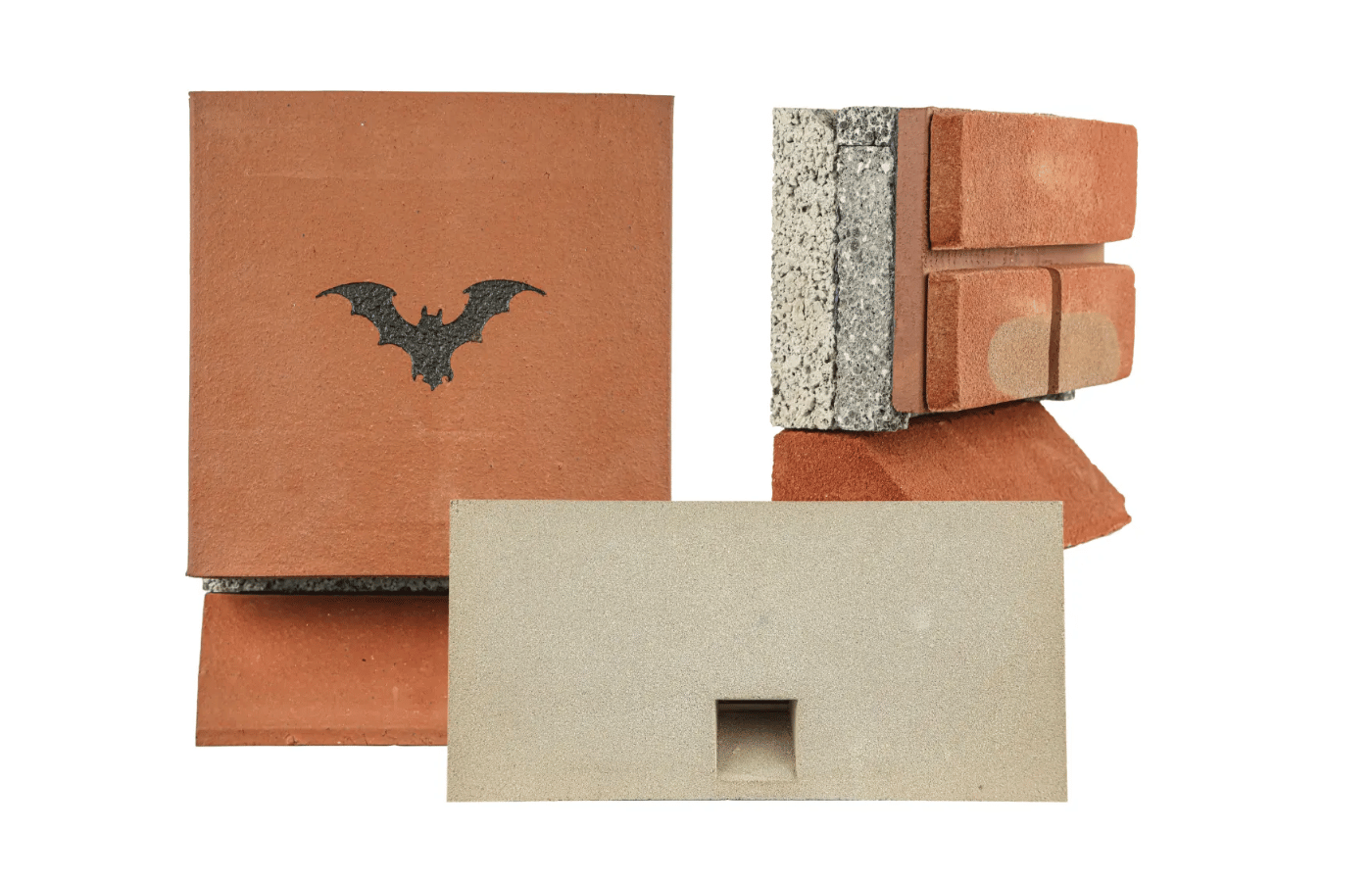
Custom Integrated Boxes
Choose this when the wildlife box needs to blend into the main masonry with a custom-faced brick slip.
Best planned before facade materials and final box positions are signed off.
ASK FOR ADVICEUseful Bat Box Guides
Get more support through these helpful articles.
Bird Boxes
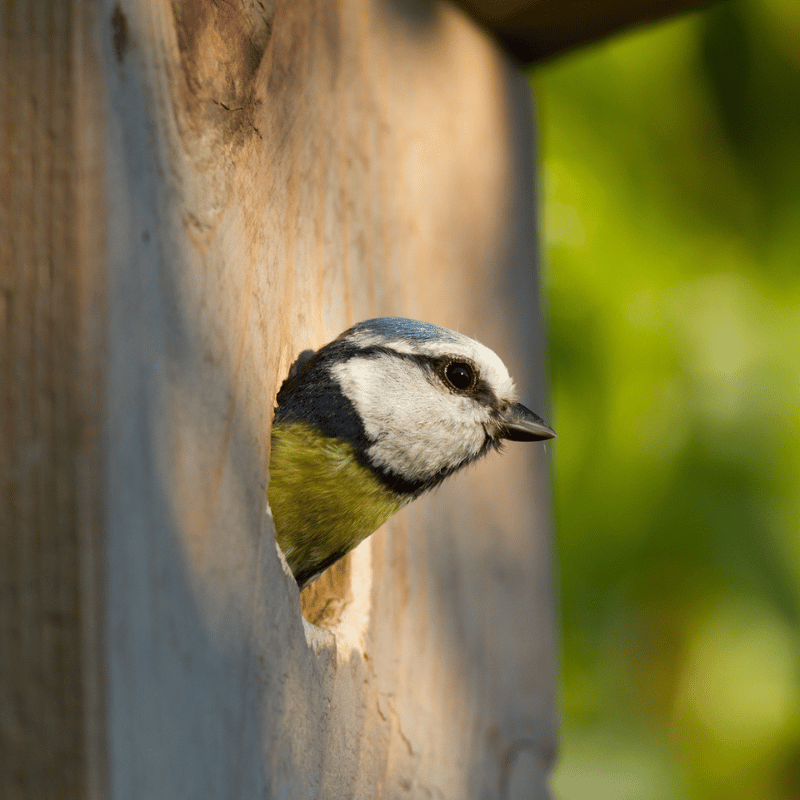
Choose bird boxes by the target species. If you have an ecology report, use the species listed there first.
New homes or flats?
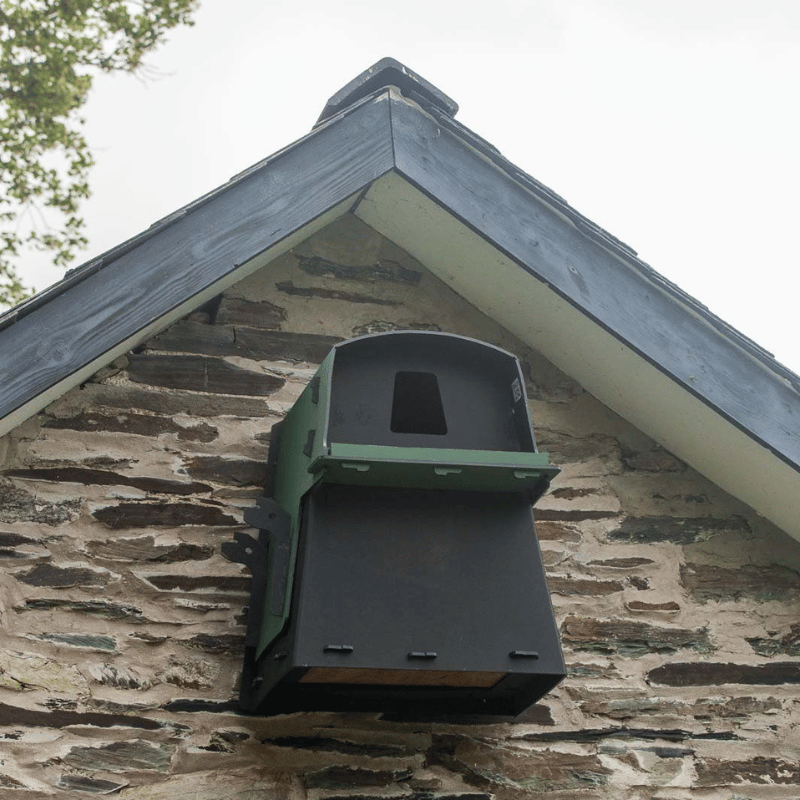
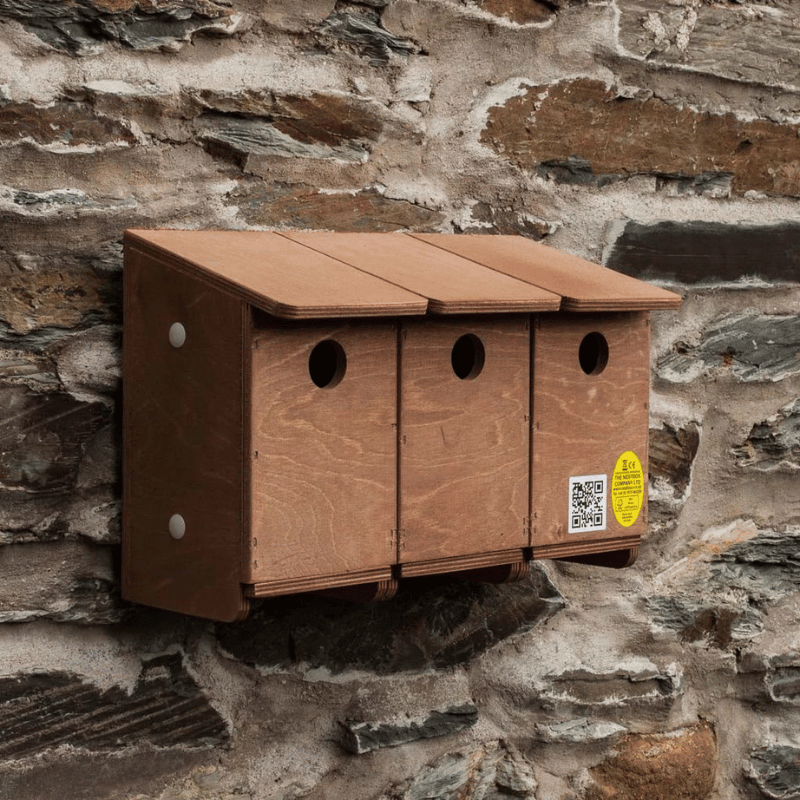
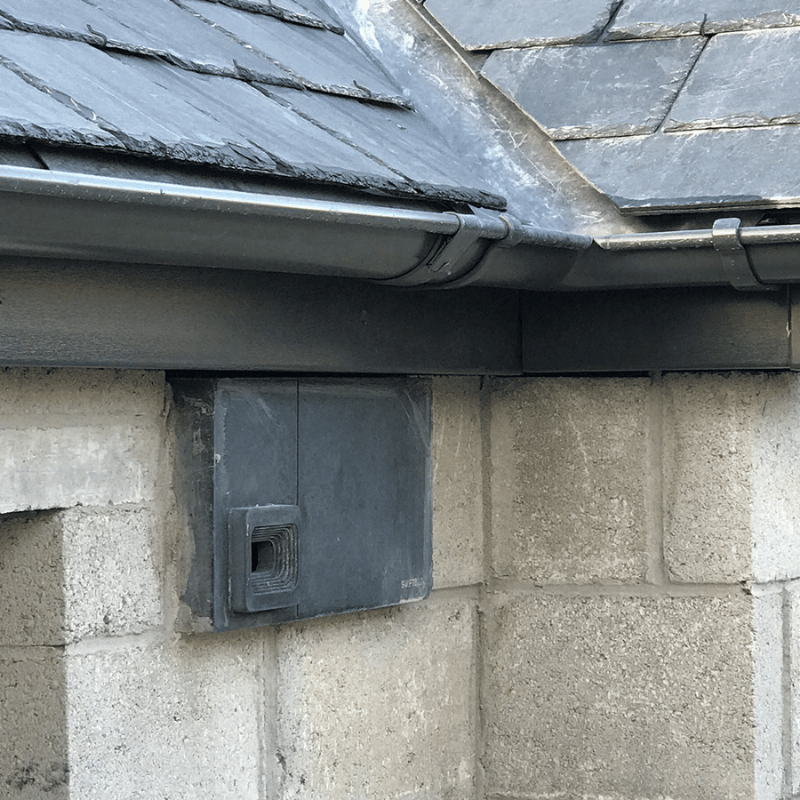
Swift and sparrow boxes are common choices for new housing, especially where boxes can be built into the wall.
Eaves or sheltered structures?
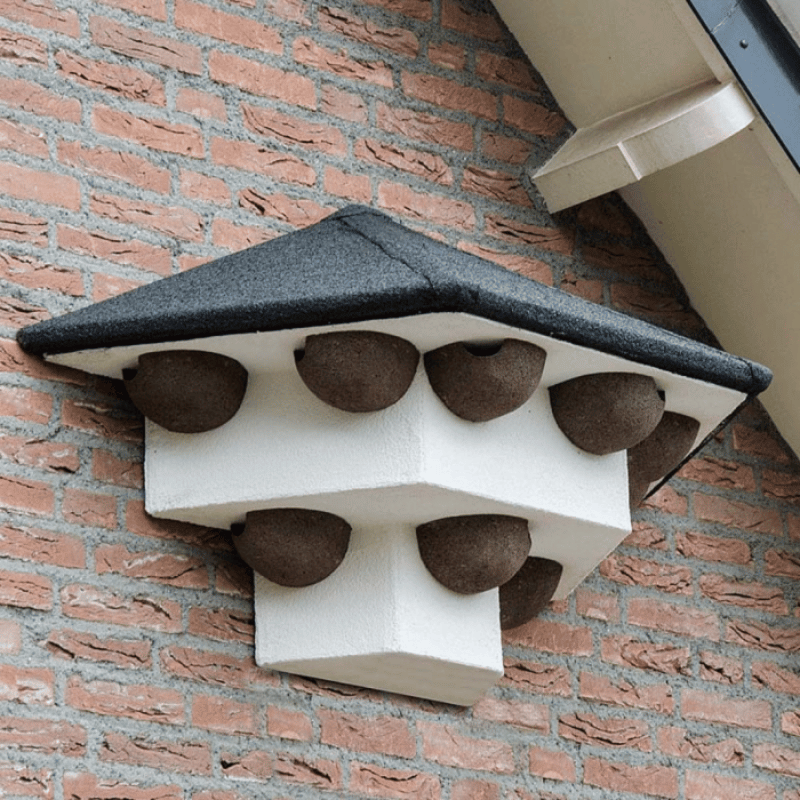
House martin and swallow boxes usually need shelter under eaves, porches, barns or garages.
Gardens or planted areas?
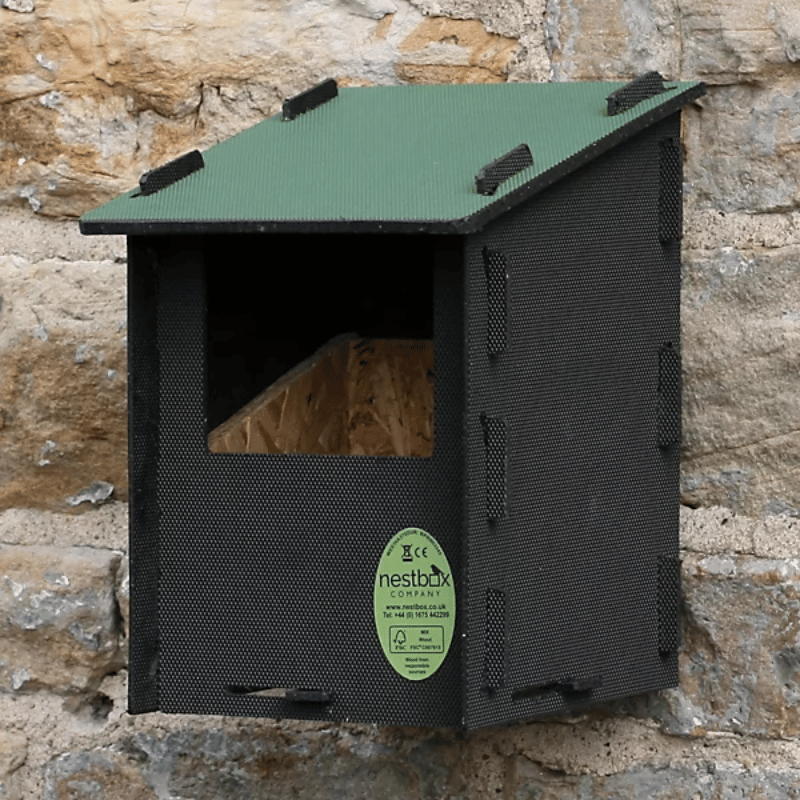
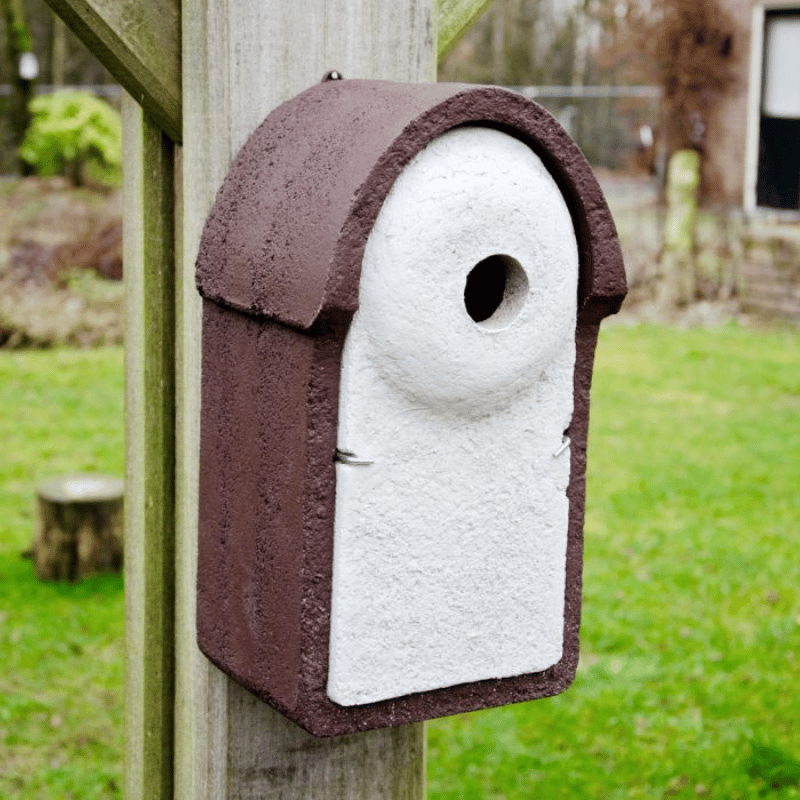
Robin and wren boxes work best in quiet, sheltered spots with nearby cover.
Useful Bird Box Guides
Get more support through these helpful articles.
Bee Bricks
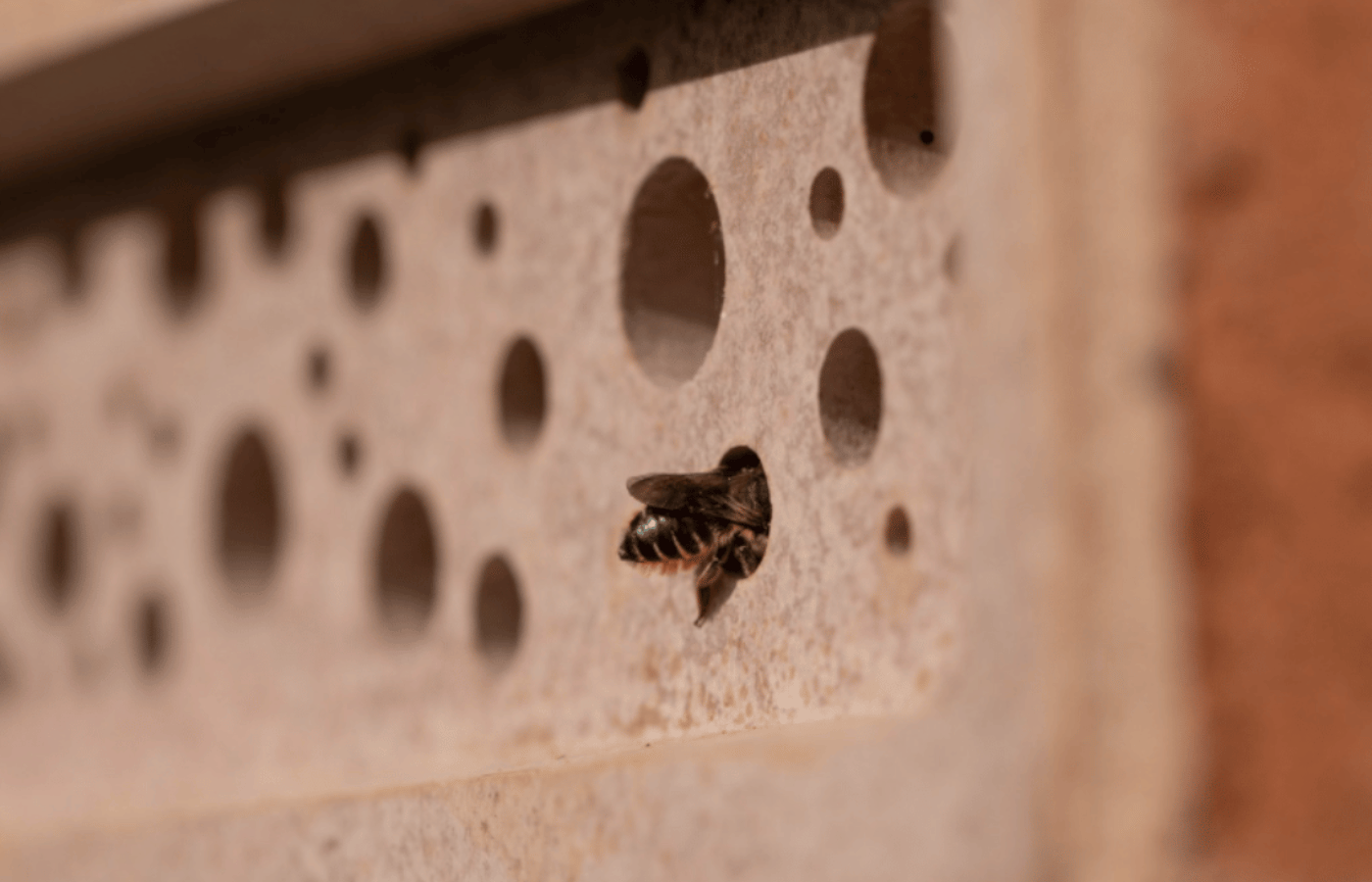
Choose bee bricks when the project needs a simple built-in habitat feature for solitary bees.
Best used in sunny, sheltered walls with suitable planting nearby.
SHOP BEE BRICKSOther Species
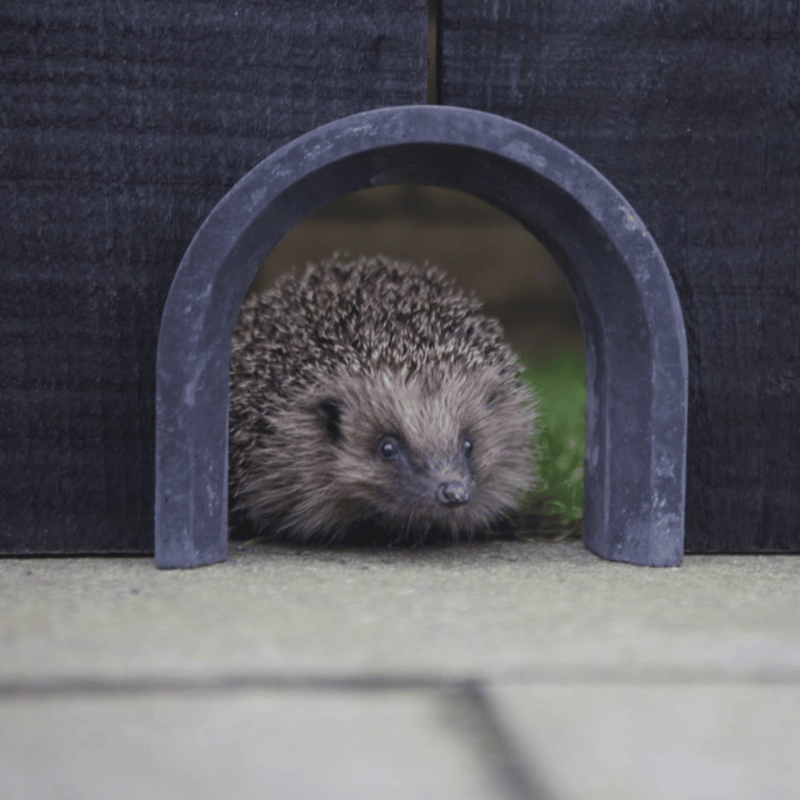
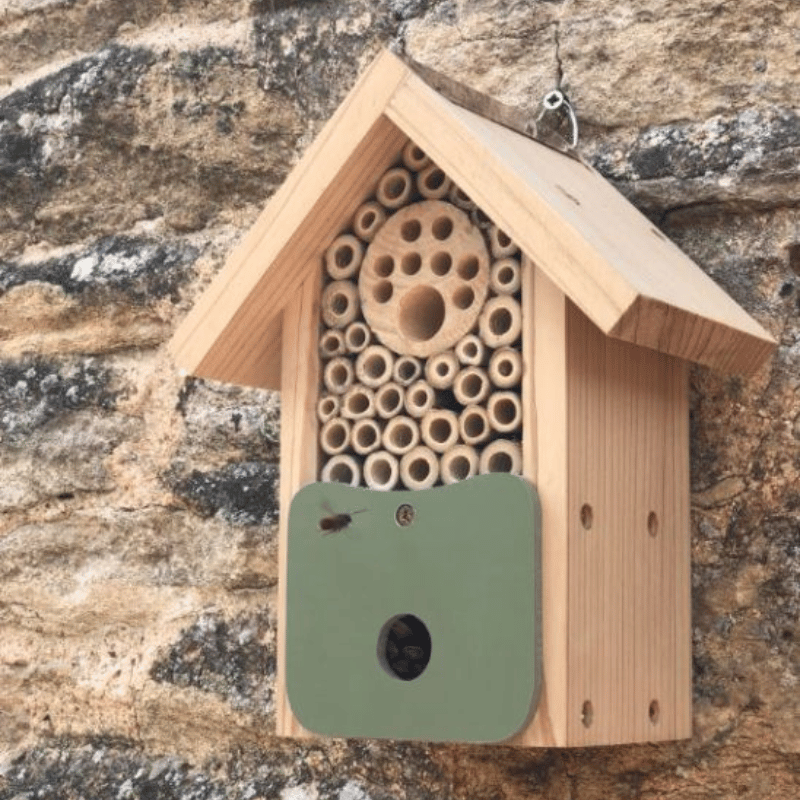
For bees, insects and hedgehogs, the location matters as much as the product. Think about sun, shelter, planting and safe movement through the site.

Where to Position Nest Boxes
Find out how to put up nest boxes for a range of species.
| Product type | Choose this when | Typical siting guidance | Builder-friendly notes |
|---|---|---|---|
| Integrated bat boxes | The wall, brickwork, render or facade is still being built | Entrance at the bottom; at least 3m high; ideally south or south-west facing; clear flight path; avoid bright artificial lighting | Plan before facade work starts. Keep the entrance clear and do not block it with pointing, render, sealant or insulation. |
| Surface-mounted bat boxes | The wall is already finished or the box must be fitted after completion | High on a wall with a clear approach route, some direct sun and minimal disturbance | Useful for retrofit work. Fix securely and avoid locations above doors, busy entrances or lit areas. |
| Tree-mounted bat boxes | The project includes woodland, mature trees, site boundaries or landscape areas | Choose a sheltered position with a clear flight path and secure fixing | Leave enough space around the box for bats to approach. Do not place where branches immediately block the entrance. |
| Swift boxes | The target species is swift, or the project needs integrated bird boxes for new homes | Landscape orientation; entrance bottom left or bottom right; as high as possible under eaves or over 5m; north or east-facing; clear flight path below | Swifts nest in colonies, so multiple boxes are better than one. Avoid positions where scaffolding may block access during nesting season. |
| House sparrow boxes | The site needs social nesting boxes for sparrows | 2m or more above ground; north or east-facing; safe from predators; 32mm or oval entrance | Sparrows like grouped nesting, so terraces or multiple boxes close together are often suitable. |
| House martin and swallow boxes | The site has suitable eaves, porches, barns, garages or sheltered structures | High under eaves or 2-5m high; north or east-facing; safe from predators; group nests together | Swallow cups are open-topped and need overhead shelter. Consider droppings boards where boxes are above paths or doors. |
| Robin and wren boxes | The box is going in a garden, planted area, fence line or sheltered corner | Use open or half-open boxes; place low, around 1-2m high; tuck into ivy, honeysuckle or similar cover | These boxes work best when hidden and quiet. Avoid exposed walls and busy entrances. |
| Starling boxes | The target species is starling, or the project needs larger-hole bird boxes | 45mm entrance; at least 3-5m high; north or east-facing; safe from predators | Starlings are sociable, but neighbouring boxes should still have some spacing. |
| Owl and raptor boxes | The site includes open land, barns, larger trees or suitable quiet structures | Usually higher-level installation, with a clear outlook and low disturbance | These are larger and heavier. Check fixing method, safe access, height and species requirement before ordering. |
| Sand martin boxes | The site has suitable banks, water edges or a specific sand martin requirement | Use where the setting matches the ecology recommendation and allows safe colony access | These are specialist products. Check the site context and ecologist’s specification before selecting. |
| Bee bricks | The project needs a simple built-in habitat feature for solitary bees | Build in or place 1m or higher; as sunny as possible; south-facing is ideal in the UK | Best used with suitable planting nearby. Do not block the nesting holes with mortar, paint or render. |
| Insect hotels | The project includes gardens, landscaped areas, walls or biodiversity zones | Sunny, sheltered positions close to planting are usually best | Use where insects can find food nearby. Avoid exposed, wet or heavily shaded spots. |
| Hedgehog highways | Boundary walls or fences could block hedgehog movement | Ground level between connected green spaces | Keep the opening clear after landscaping. It should connect gardens or habitat areas, not lead into roads or hazards. |