




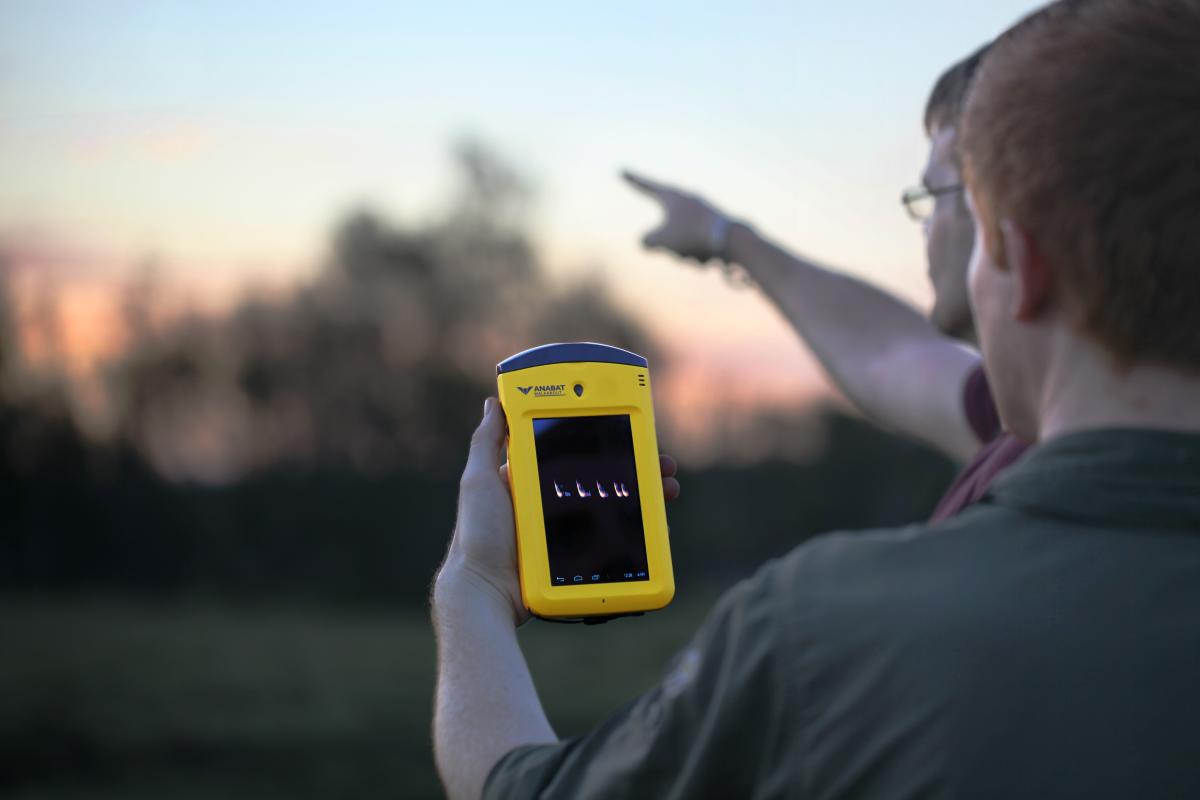
How do bat detectors work?
Bat detectors are a key piece of kit for any budding wildlife enthusiast or ecologist. They help us "hear" the ultrasonic calls that bats use for echolocation, which are too high-pitched for human ears. They work by converting these high-frequency sounds into lower frequencies we can perceive.
The most common types of bat detectors are heterodyne and frequency division:
- A heterodyne detector tunes to a specific frequency range, then mixes (or "subtracts") the bat's call with another sound inside the detector. This creates a new sound we can hear, like turning an ultrasonic squeak into a chirp.
- A frequency division detector takes the bat's ultrasonic call and divides its frequency by a fixed number, compressing the sound into a range audible to humans. This type plays back everything happening at once, useful for detecting multiple bats.
How do I identify bat species with a detector?
Each bat species has unique echolocation calls, and the loudest part of their call is called the 'peak frequency' measured in hertz, or kilohertz (kHz). By finding the peak frequency, duration, and pattern of the sounds, you can determine the species. Advanced detectors with built-in software can assist with species identification.
When and where is the best time to use a bat detector?
Dusk and early evening are ideal since bats are most active then. Warm, calm nights from Spring to Autumn are most successful, as bats hibernate and are not active over Winter. Look near water, woodlands, or open fields, where insects (their food) are plentiful. Different species have varying foraging habits, for example Daubenton's bats are strongly associated with lakes and ponds while Noctules can be found flying high over pasture fields.
Out Top 5 Bat Detectors for Beginners
1. Echo Meter Touch 2
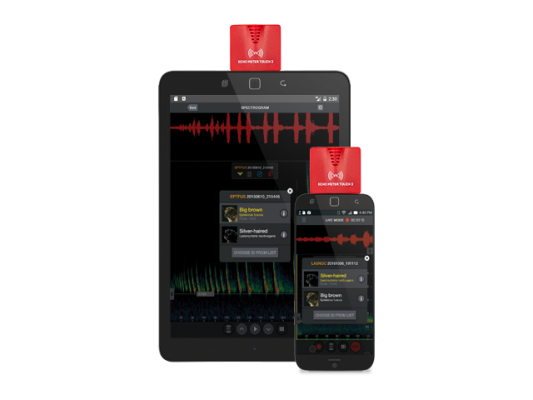
The intuitive EMT2 lets you listen to, record and identify bats by their ultrasonic echolocation calls, using a phone or tablet device via the Echo Meter Touch App. Unique among starter bat detectors, the app has an Auto ID feature and you'll be able to record calls, view the spectrogram, track your route, and switch between heterodyne and time expansion technologies.
2. Magenta 5 Bat Detector

A heterodyne detector with backlit LCD display. Tuneable the detector like a radio between 10 and 130khz. You can operate one handed, and features headphone and recording sockets. Our Bat Detector Starter Kit, which includes a Magenta 5, British Bats Guide and batteries is very popular for beginners.
3. Elekon Batscanner
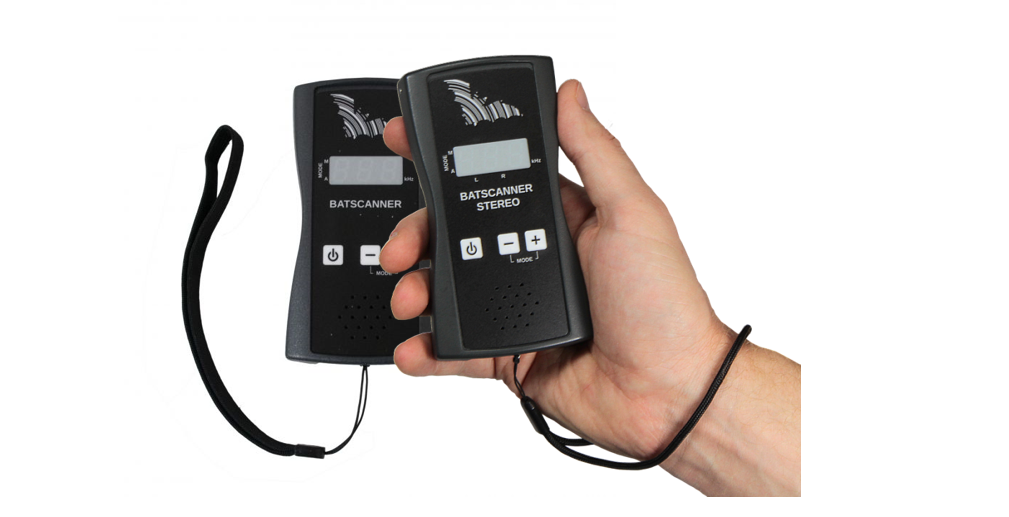
A simple but effective little bat detector - just turn on and listen! The device detects bat calls, auto-tunes to the peak frequency, and presents this on the digital display. It then mutes when no calls are heard.
You can also replace the microphone, if required, and the device is also available in a Stereo version.
4. DIY Bat Detector Kit

A great activity before you even start detecting bats, is making the detector! The Franzis DIY Bat Detector kit is comprised of 17 components with detailed instructions and suitable for ages 14+ without supervision. Once complete, you have a simple bat detector with knobs for tuning and volume.
5. Batbox Baton Detector
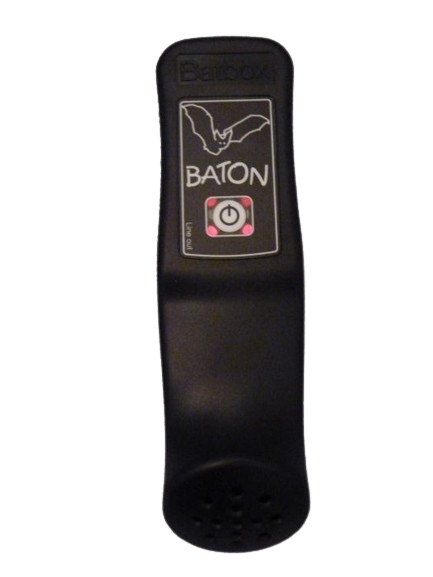
A simple turn-on and listen bat detector that is fantastic for giving kids an introduction to the world of bats, where the intention is to hear rather than identify species. If attached to the soundcard of a laptop computer by a stereo lead from the ‘line out’ of the Baton, it will produce real-time sonograms.